Notice: CatScience 2027 Conference is not affiliated with any accommodation agencies. Please book directly via the official accommodation page; speaker rates apply through direct hotel booking. Ignore any third-party solicitations.

28-30 June

University of Crete – Voutes Campus, Greece

5th International Congress on

CATALYSIS SCIENCE EUROPE

"CATALYZE. CONNECT. CREATE THE FUTURE."

Best Poster Award by

poster-awards

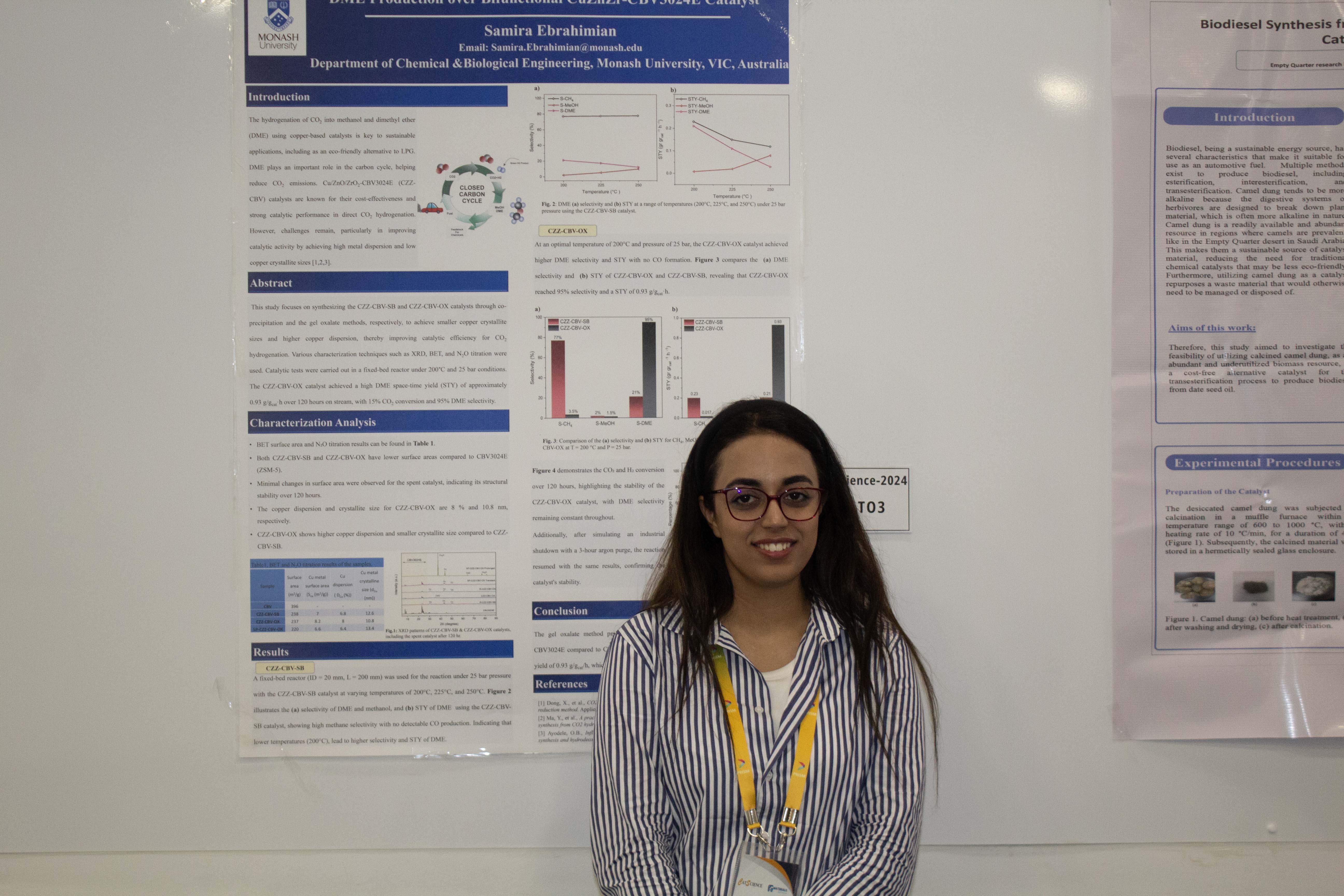
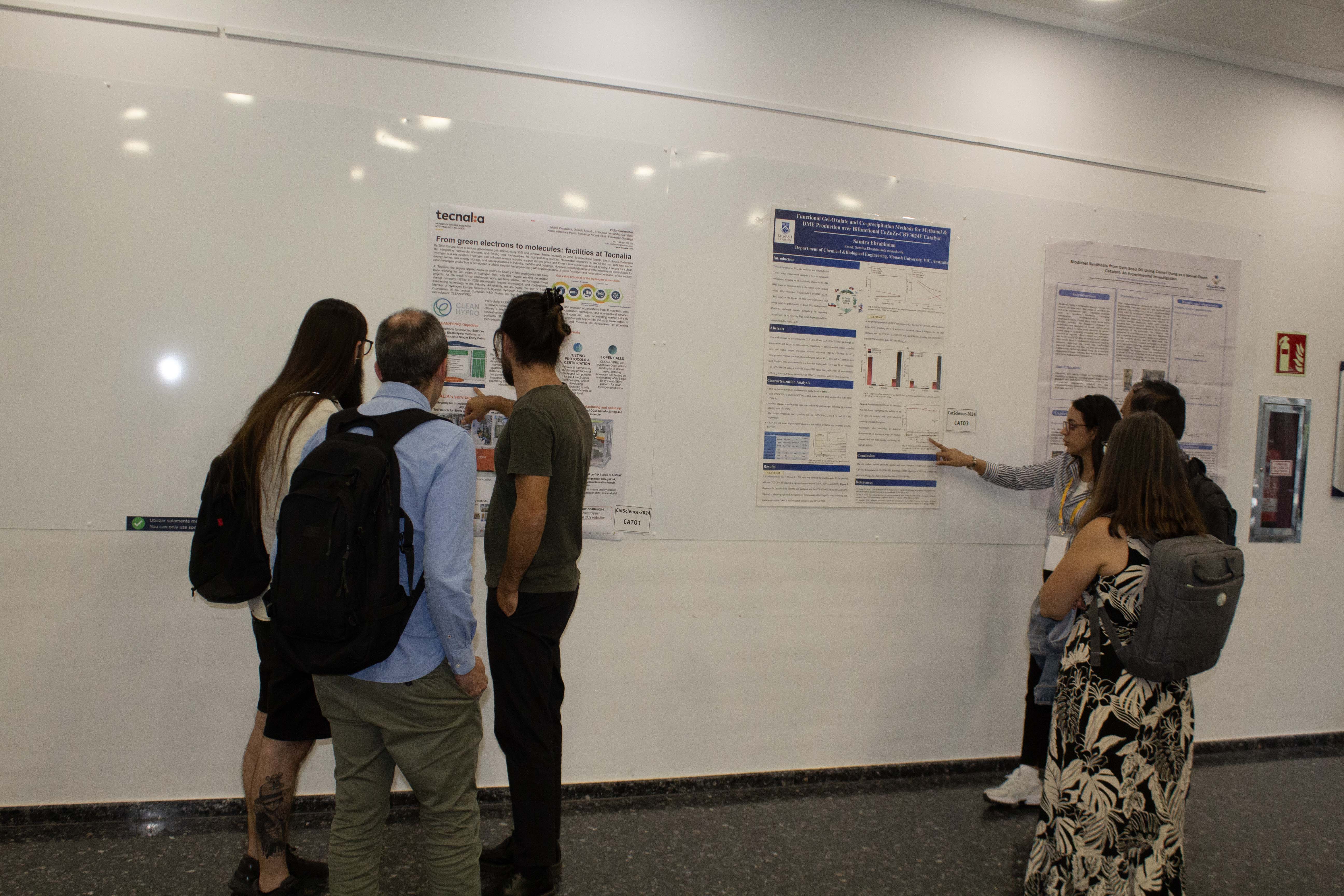
Poster competition is open to all students (Graduates, Post Graduates and Research Scholars) who are first author as well as the presenting author of an abstract submitted for poster presentation at Catscience 2024. The prizes will be awarded to the posters judged the best based on the content of the poster, the quality of the visual display of information on the poster, and the ability of the presenter to successfully and succinctly present the subject matter in it.

All the winners will be announced at the closing ceremony of the conference. The decision of the winner will be withdrawn if the winner/winners is/are not present at the time of announcement.
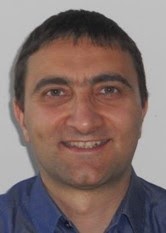
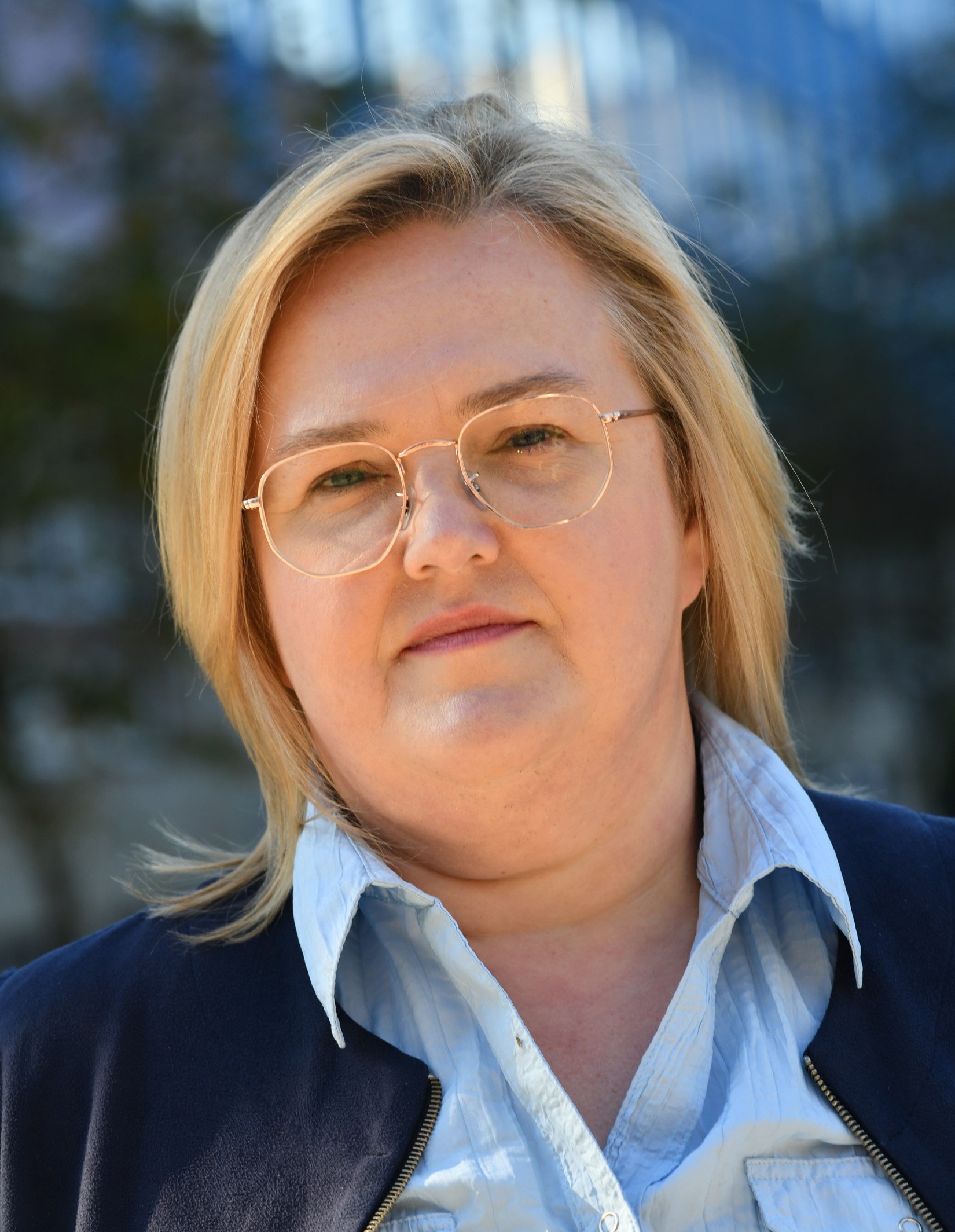
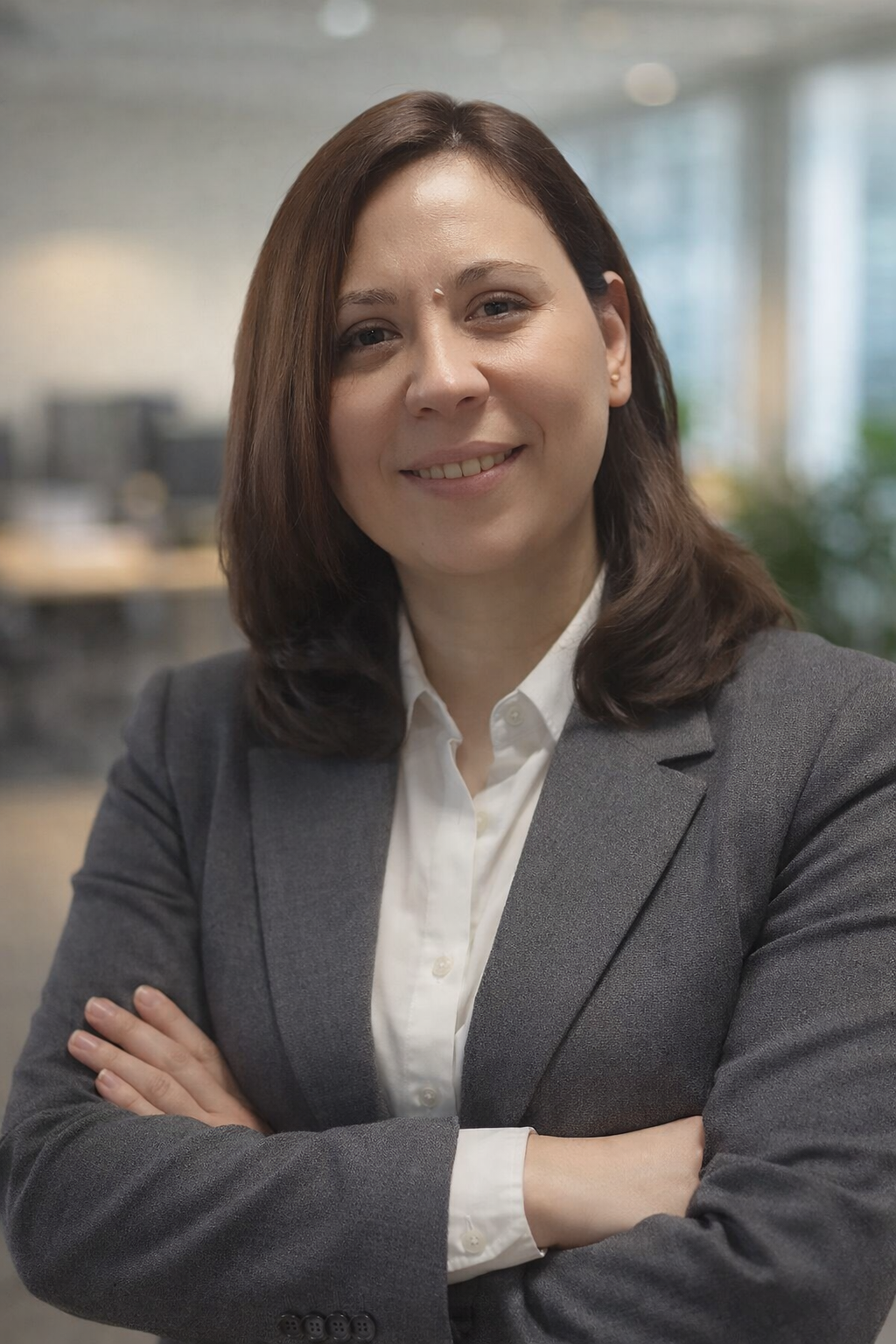
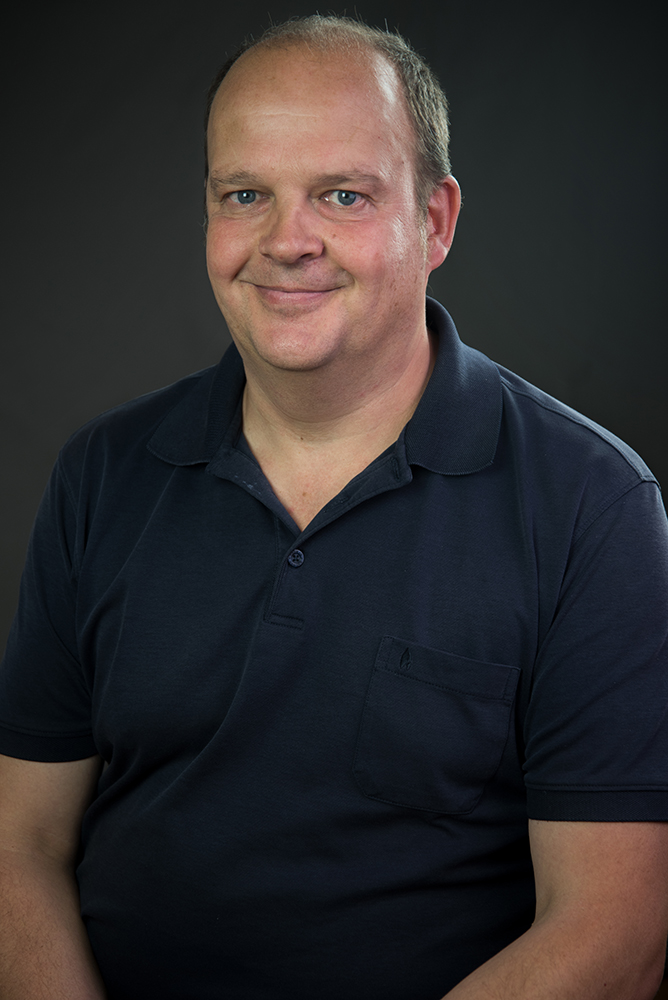
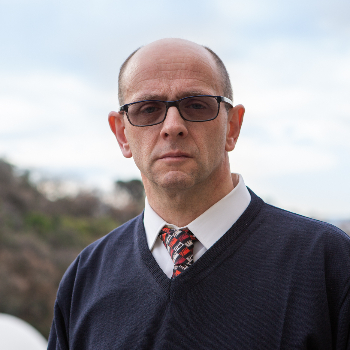
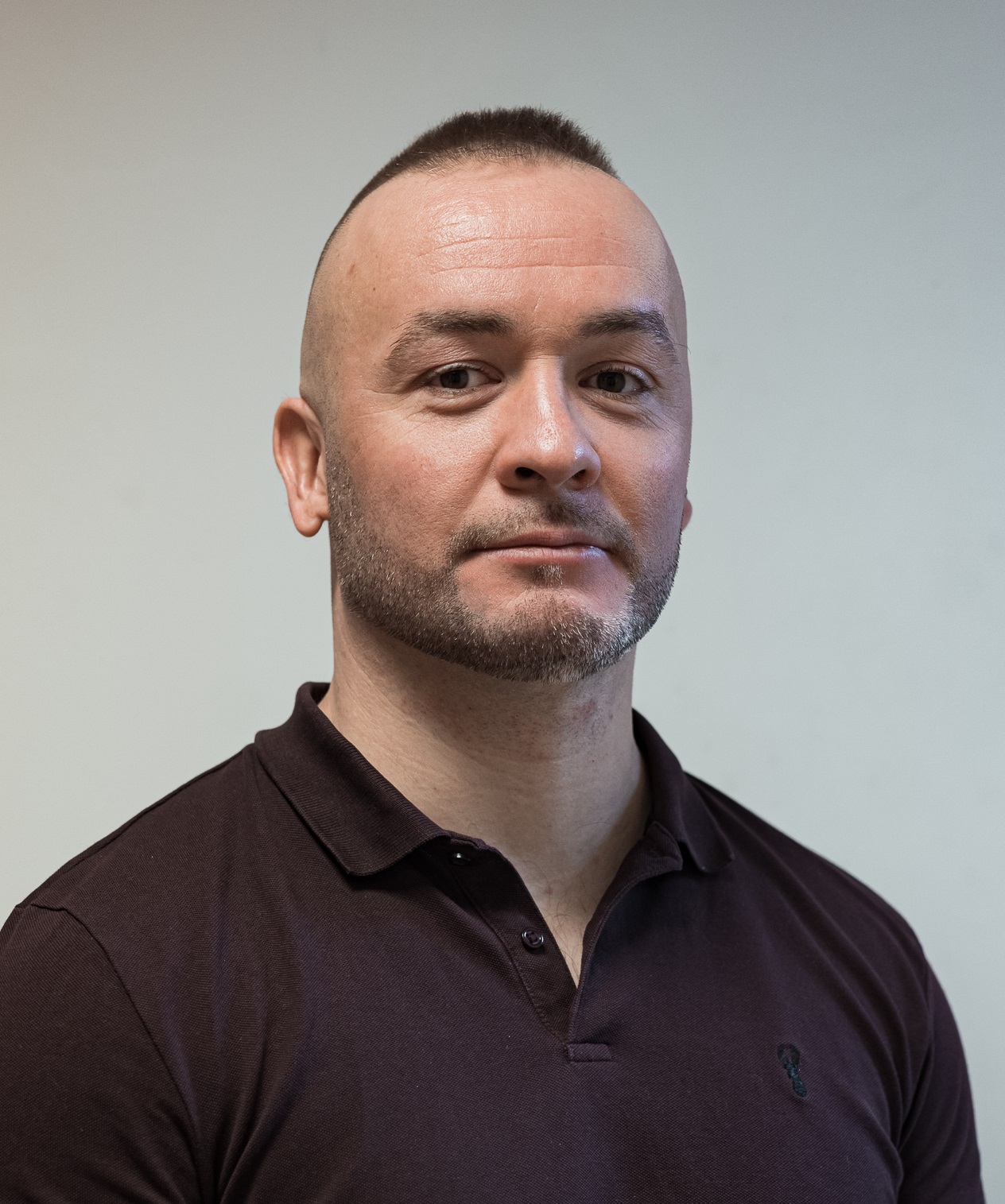
Conference Chair

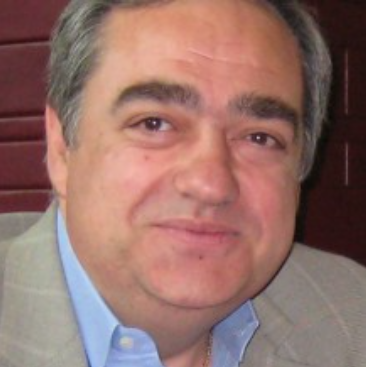
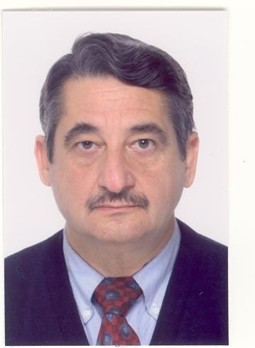
Kyriakides Georgios

Kyriakides Georgios

Professor Emeritus / Former Professor, Department of Physics
University of Crete
Greece

| | |

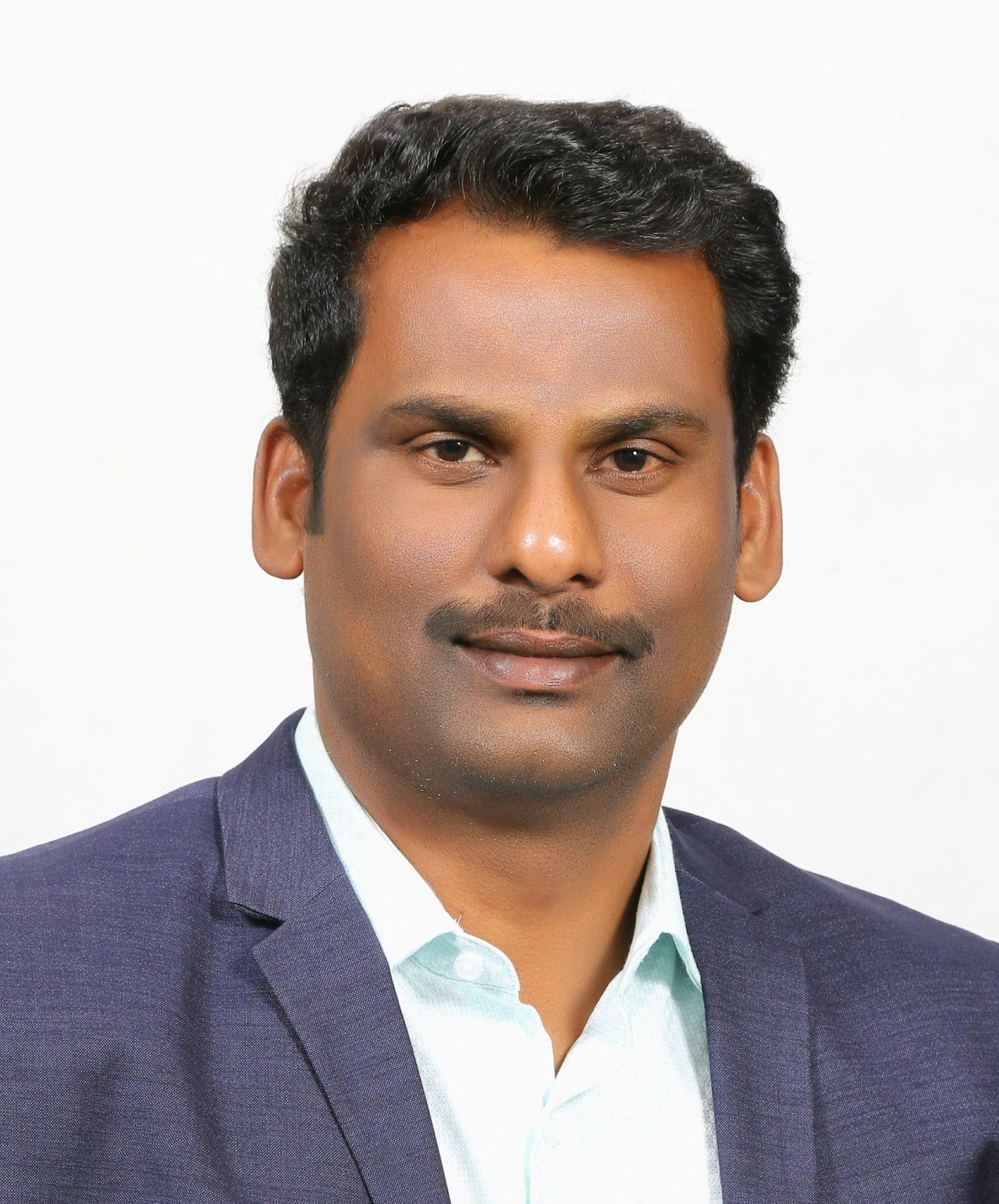
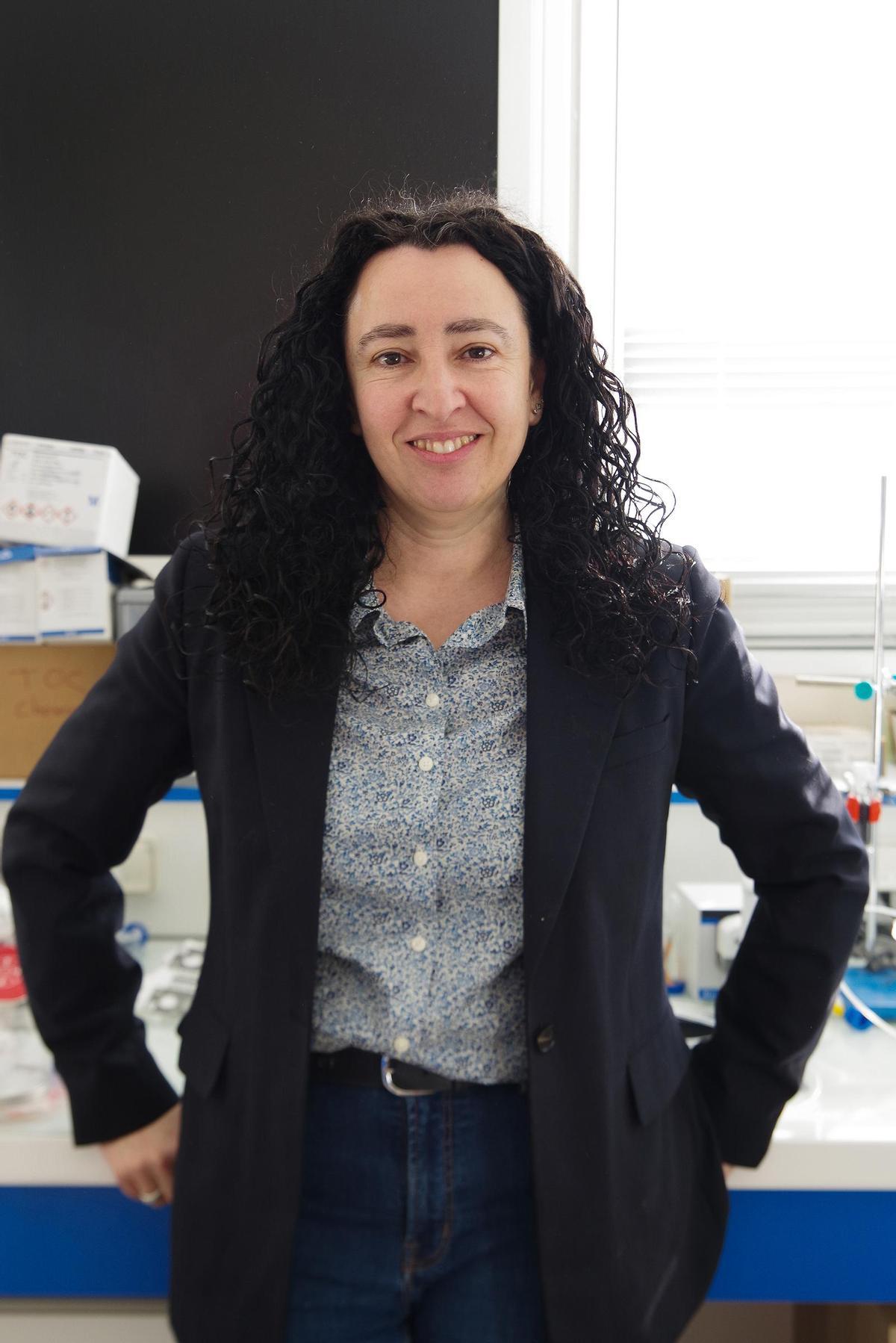
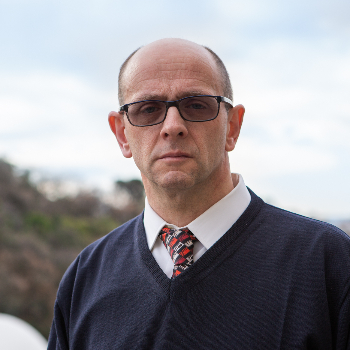
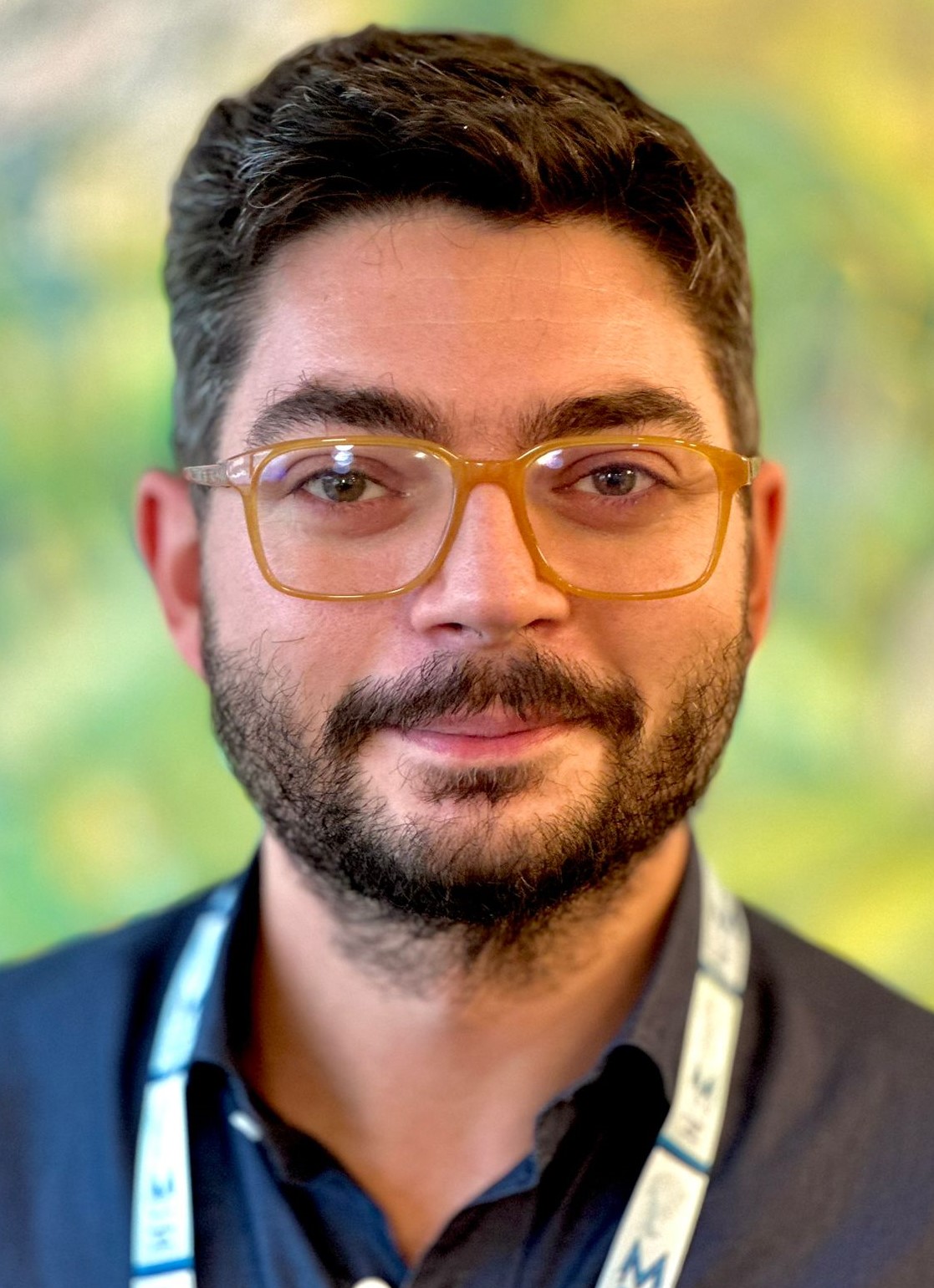
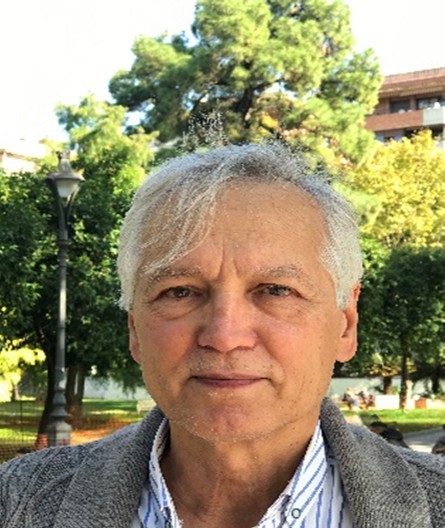
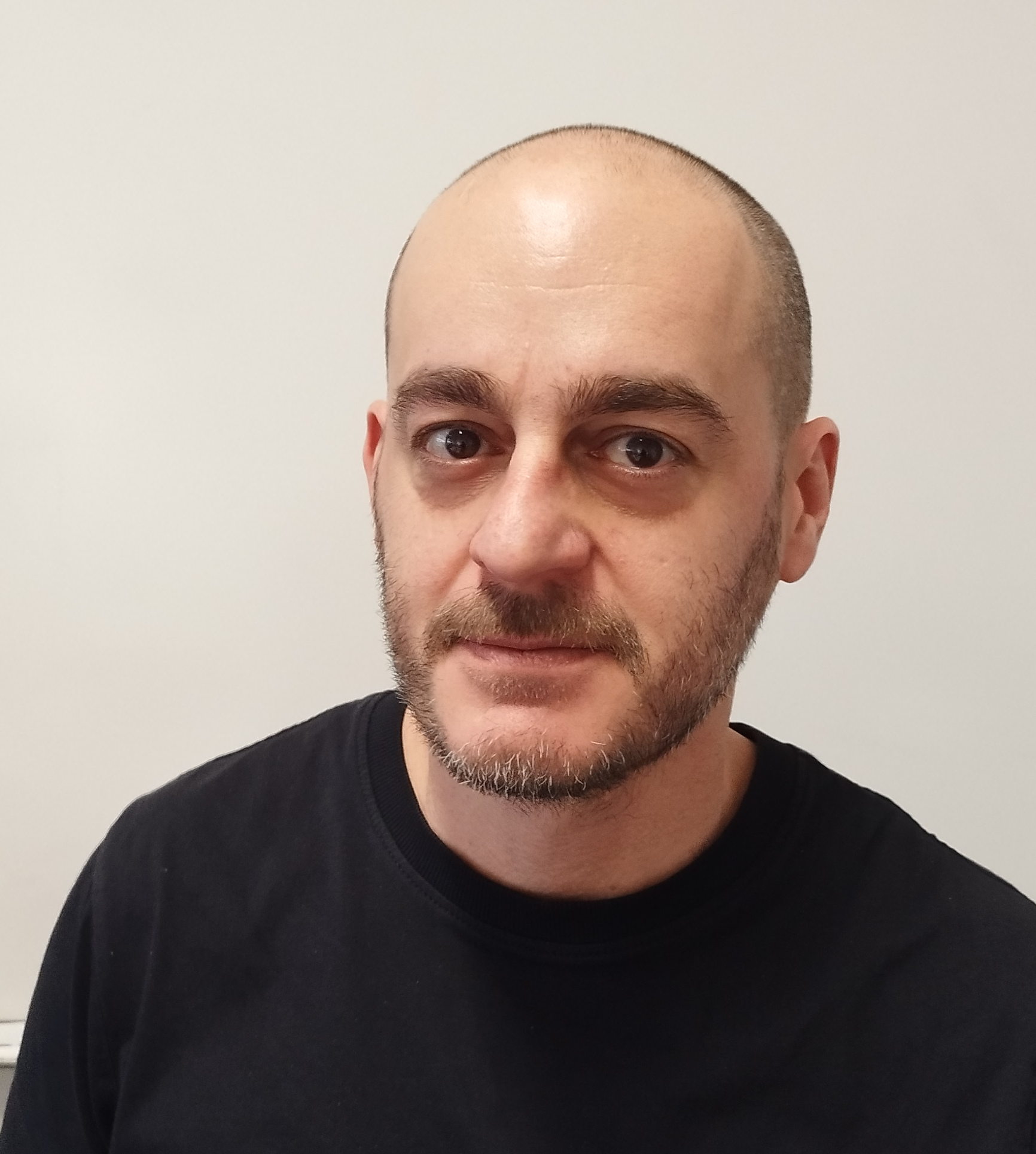
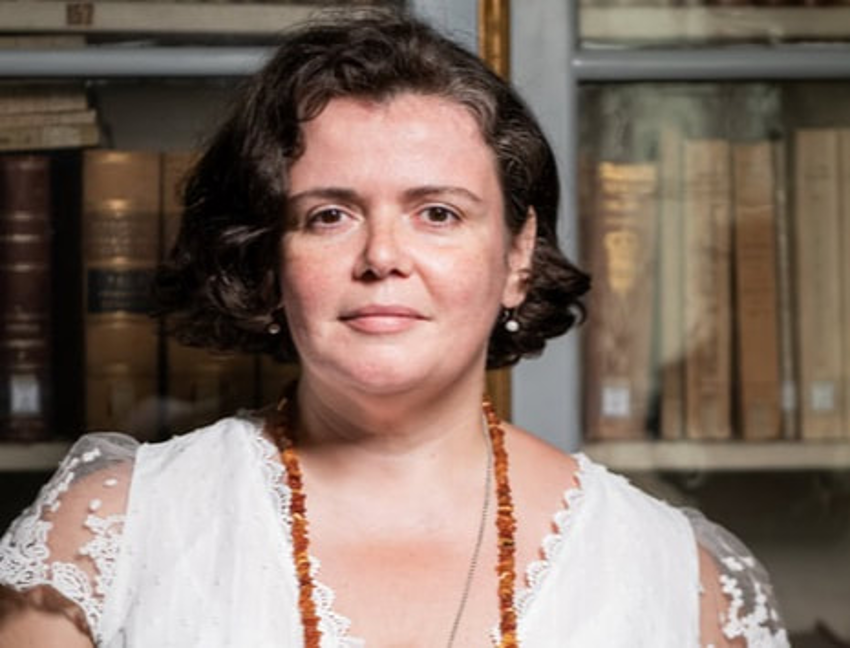
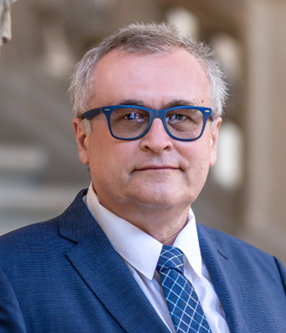
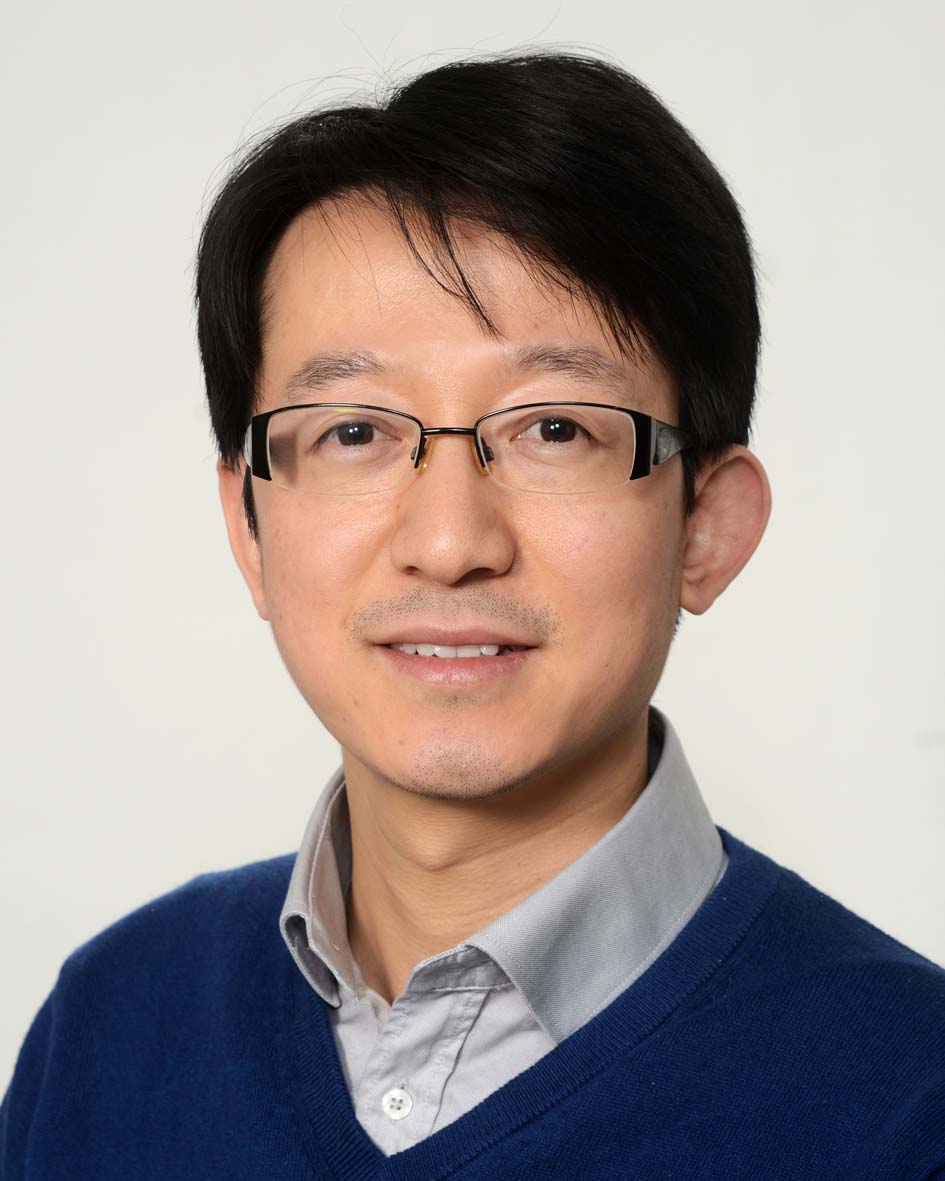
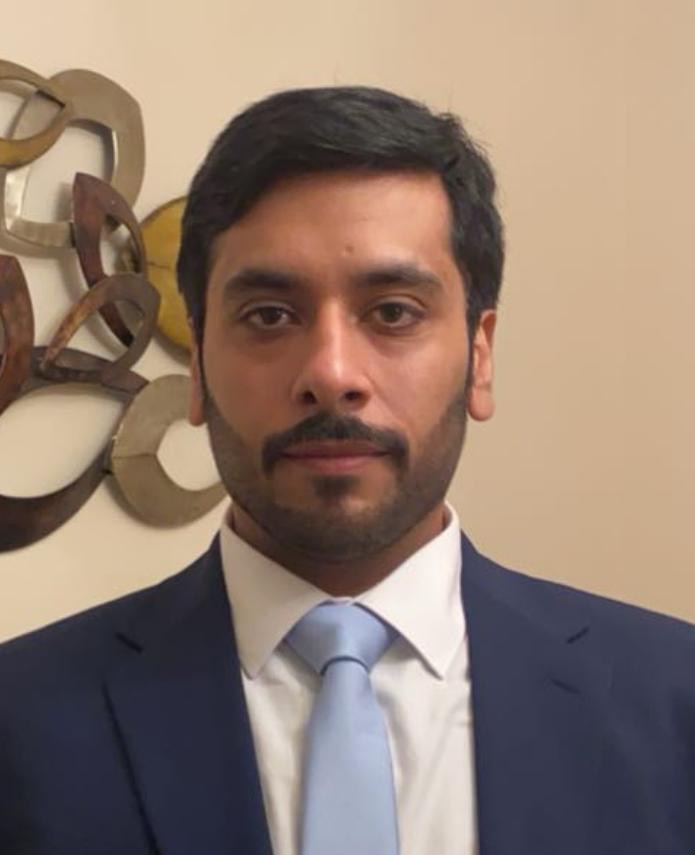
Conference Co-Chairs

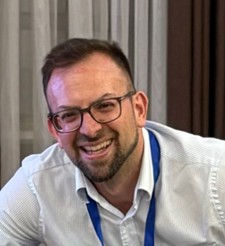
Rodrigo Martins

Rodrigo Martins

Distinguished Professor
New University of Lisbon
Portugal
| |
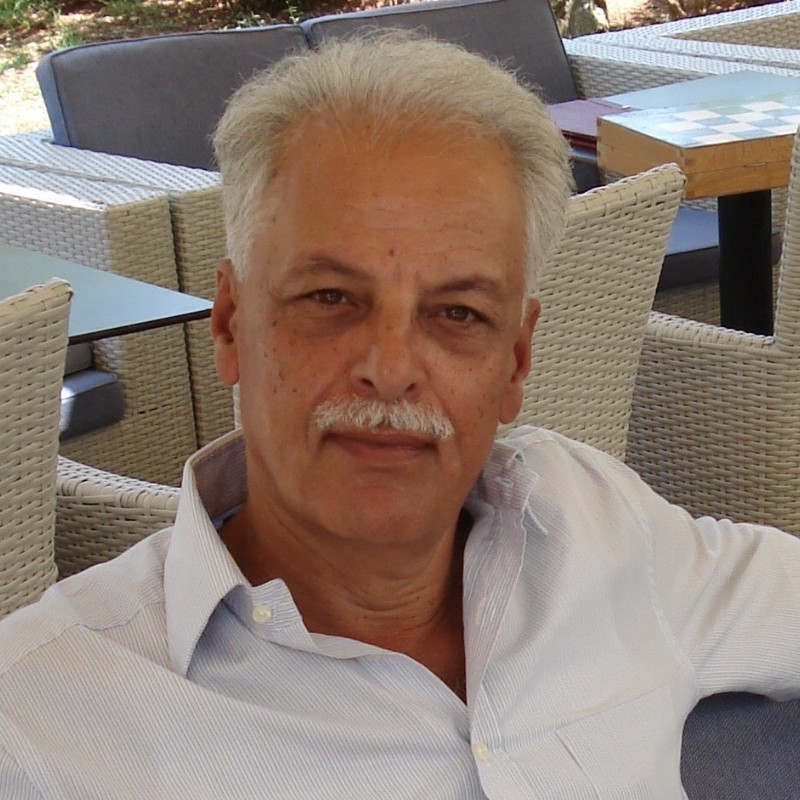
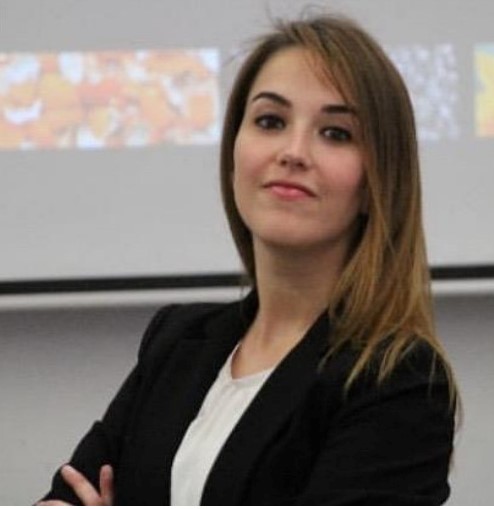
Spiros Anastasiadis

Spiros Anastasiadis

Professor
Univ. of Crete
Greece
|
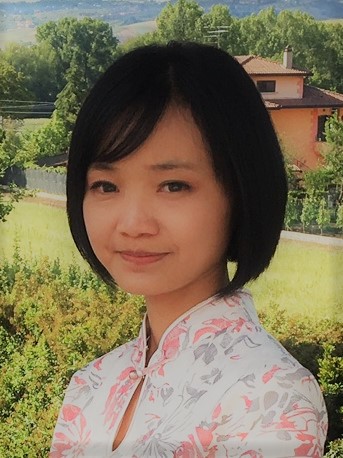
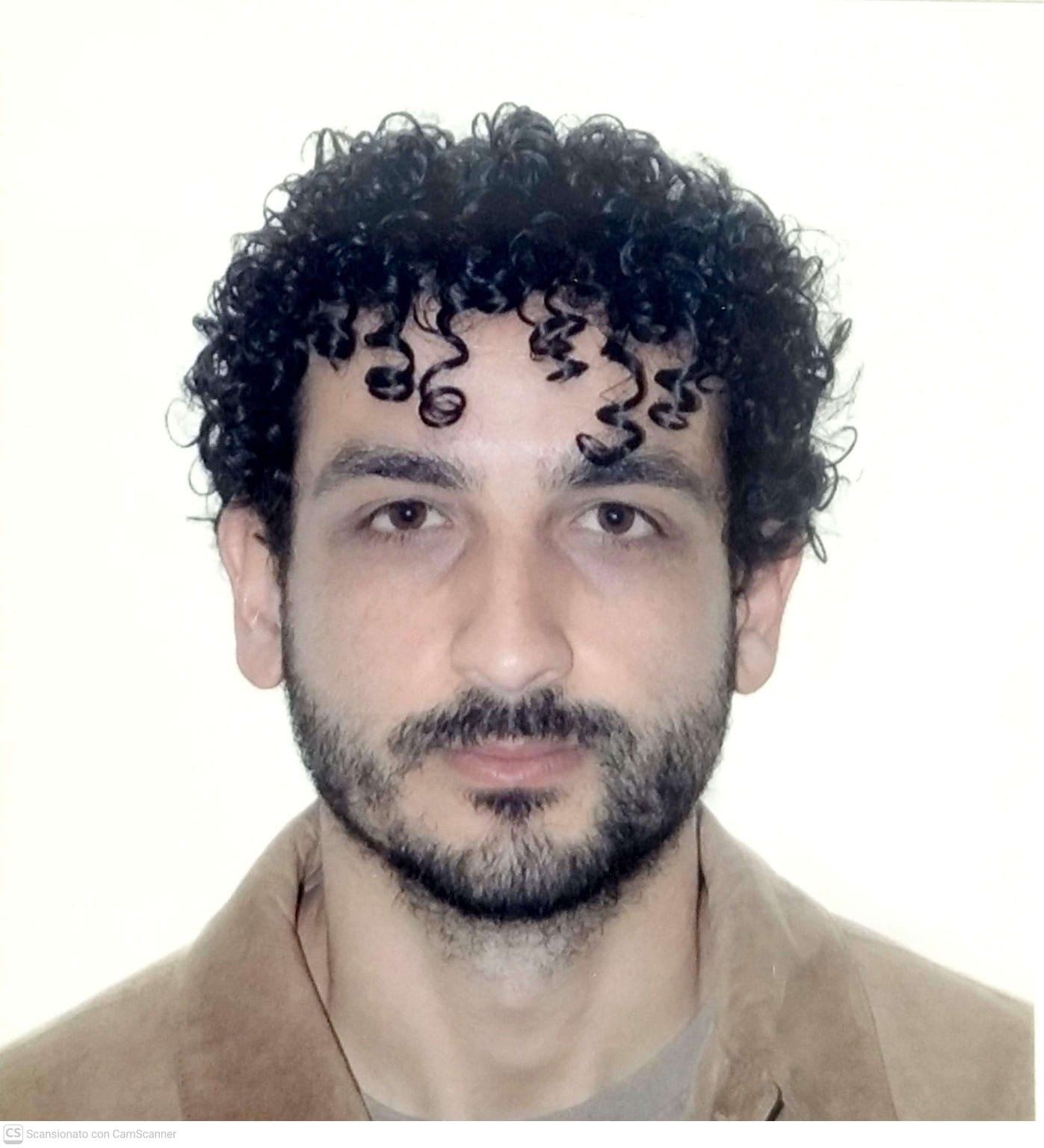
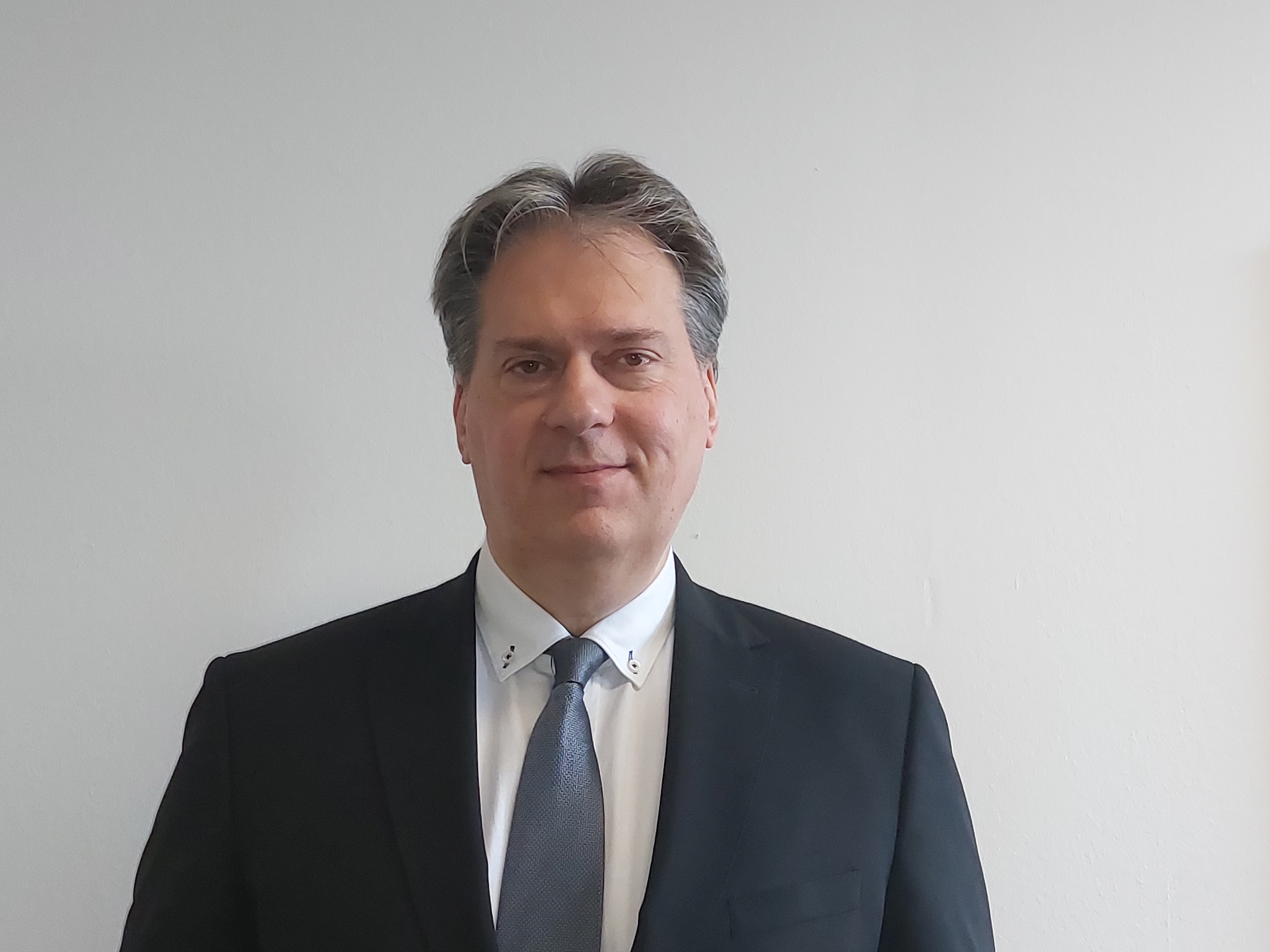
Dimitrios Kotzias

Dimitrios Kotzias

Head of Unit (retired)
European Commission,Joint Research Centre
Italy
| |
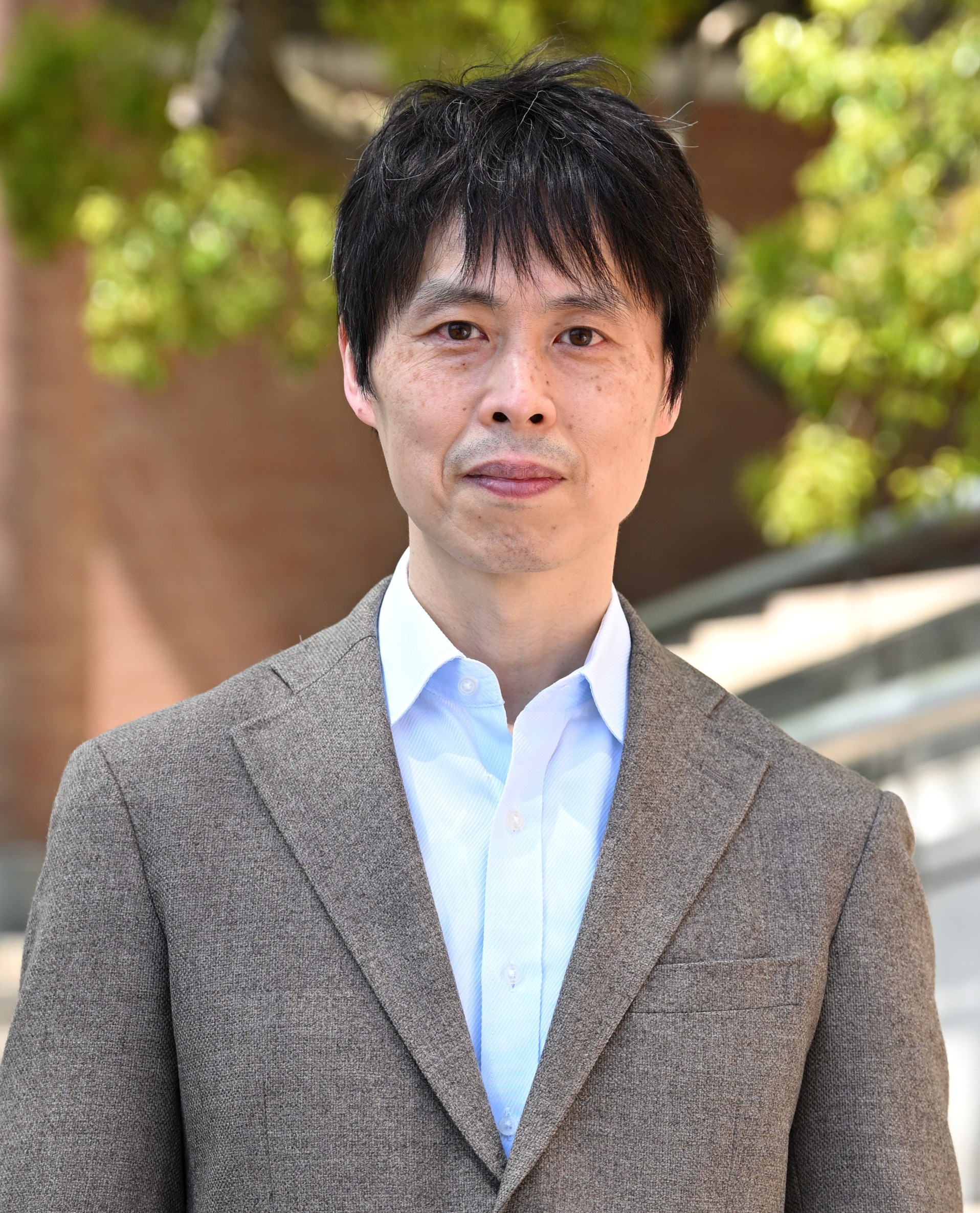
Lionel Vayssieres

Lionel Vayssieres

Distinguished Professor
Xi'an Jiaotong University
China
| |

Welcome to CatScience 2027 in Heraklion, Crete, Greece

The Fifth International Conference on Catalysis Science and Chemical Engineering

June 28 – 30, 2027 | University of Crete – Voutes Campus, Greece

A very warm welcome to the 5th International Congress on Cat Science Europe 2027. After several wonderful and productive editions across Europe, we could not be more excited to bring our community together this year in the coastal city of Heraklion, Crete.

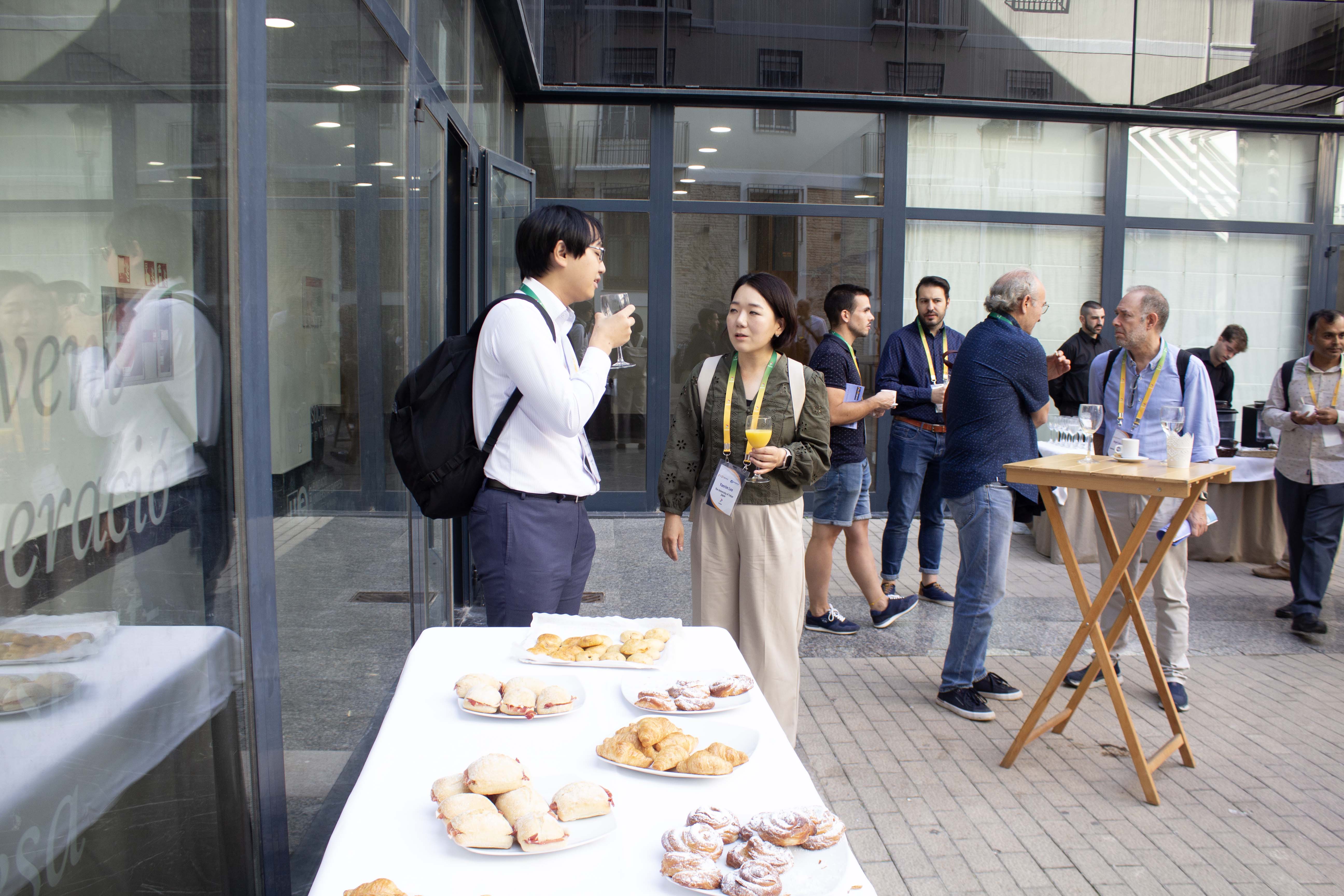
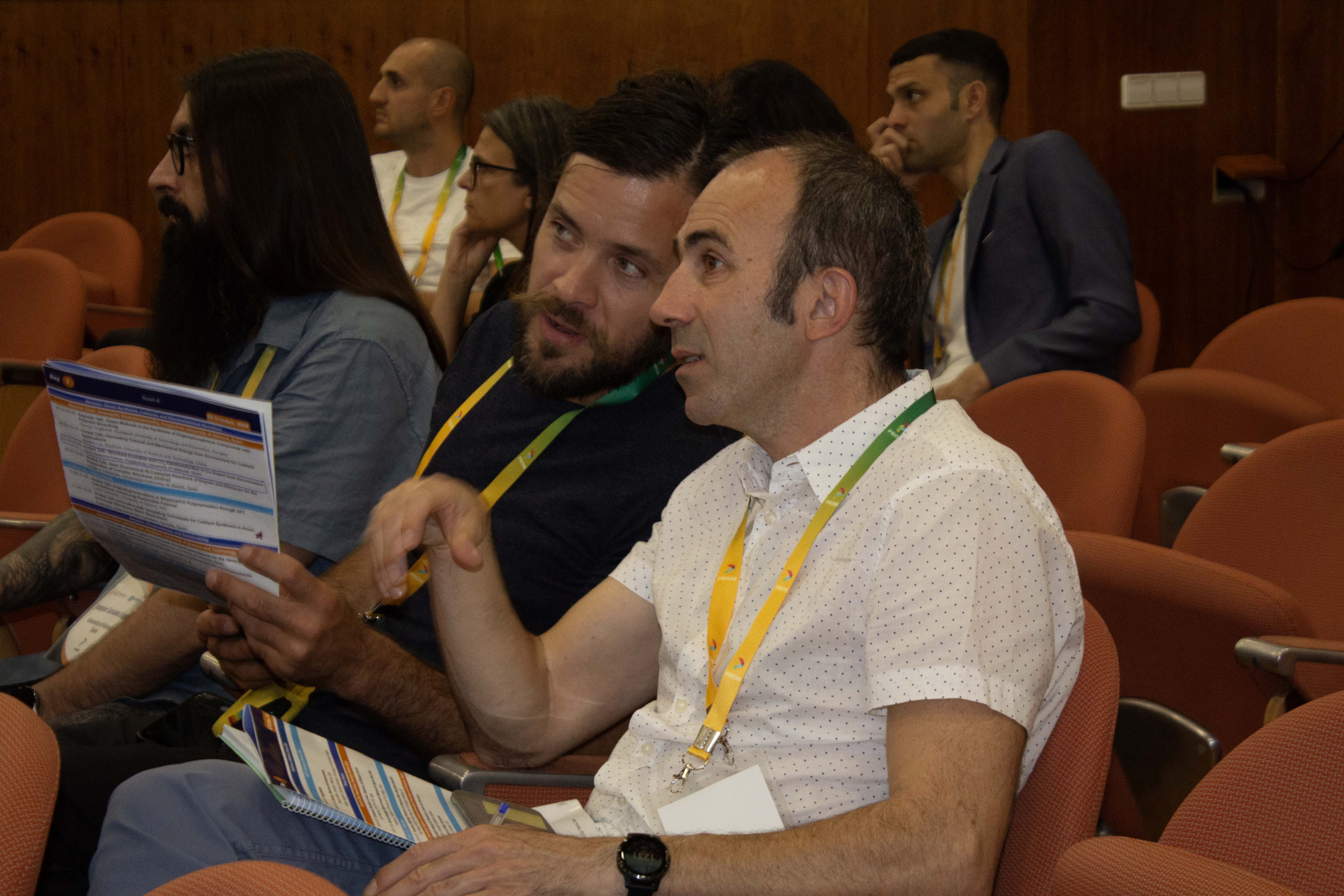
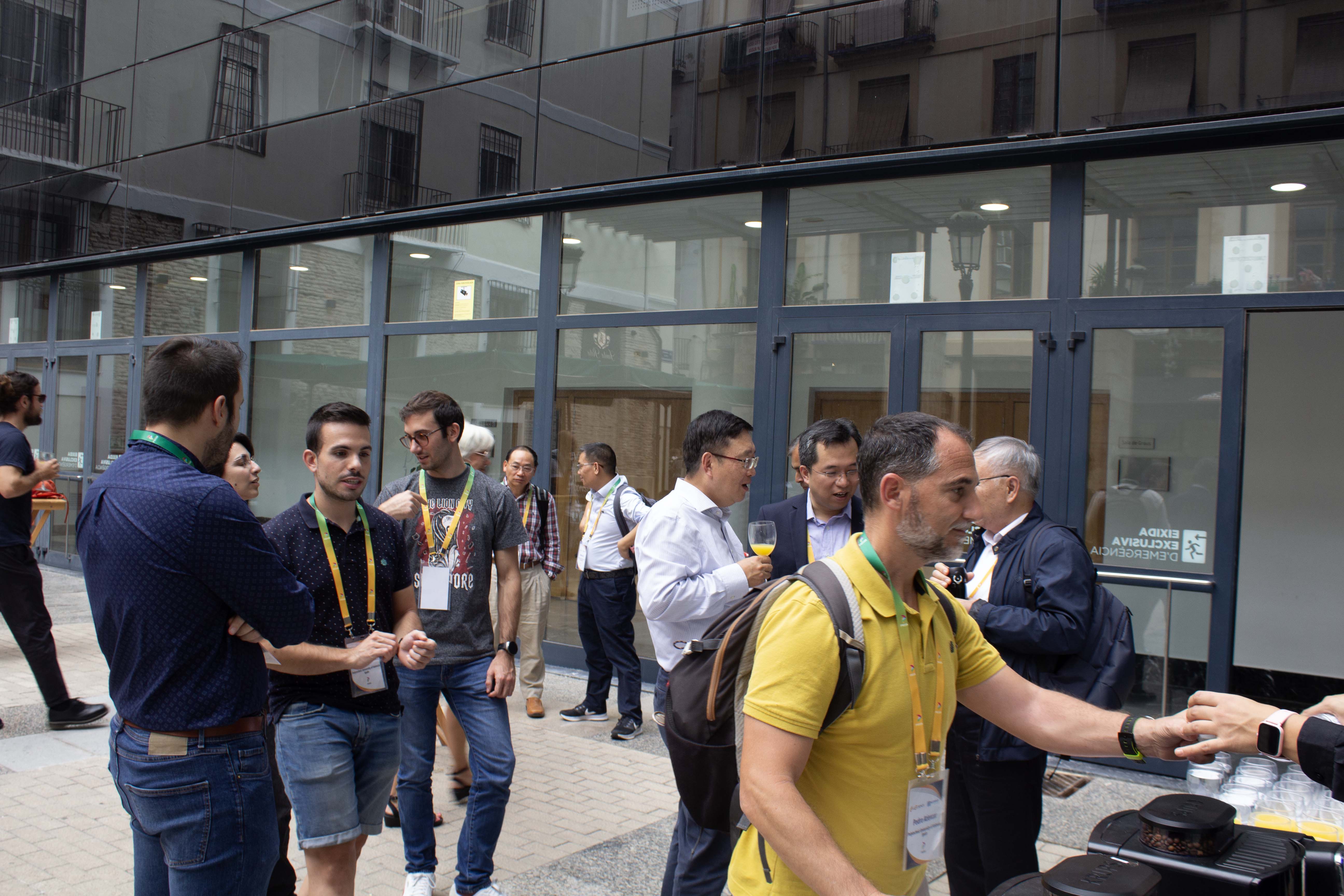
Our theme this year is simple and focused: “CATALYZE. CONNECT. CREATE THE FUTURE.” Over the years, this conference has grown from a specialized gathering into a true meeting point for people across the field—bringing seasoned researchers, industry engineers, and promising students into the same room to talk openly about what works, what doesn't, and where the science is heading next.

On behalf of the organizing committee and our chairs, thank you for being a part of this. Conferences are only as good as the conversations that happen in the hallways, around the posters, and during the Q&As, and your presence and work are what make this meeting worthwhile.

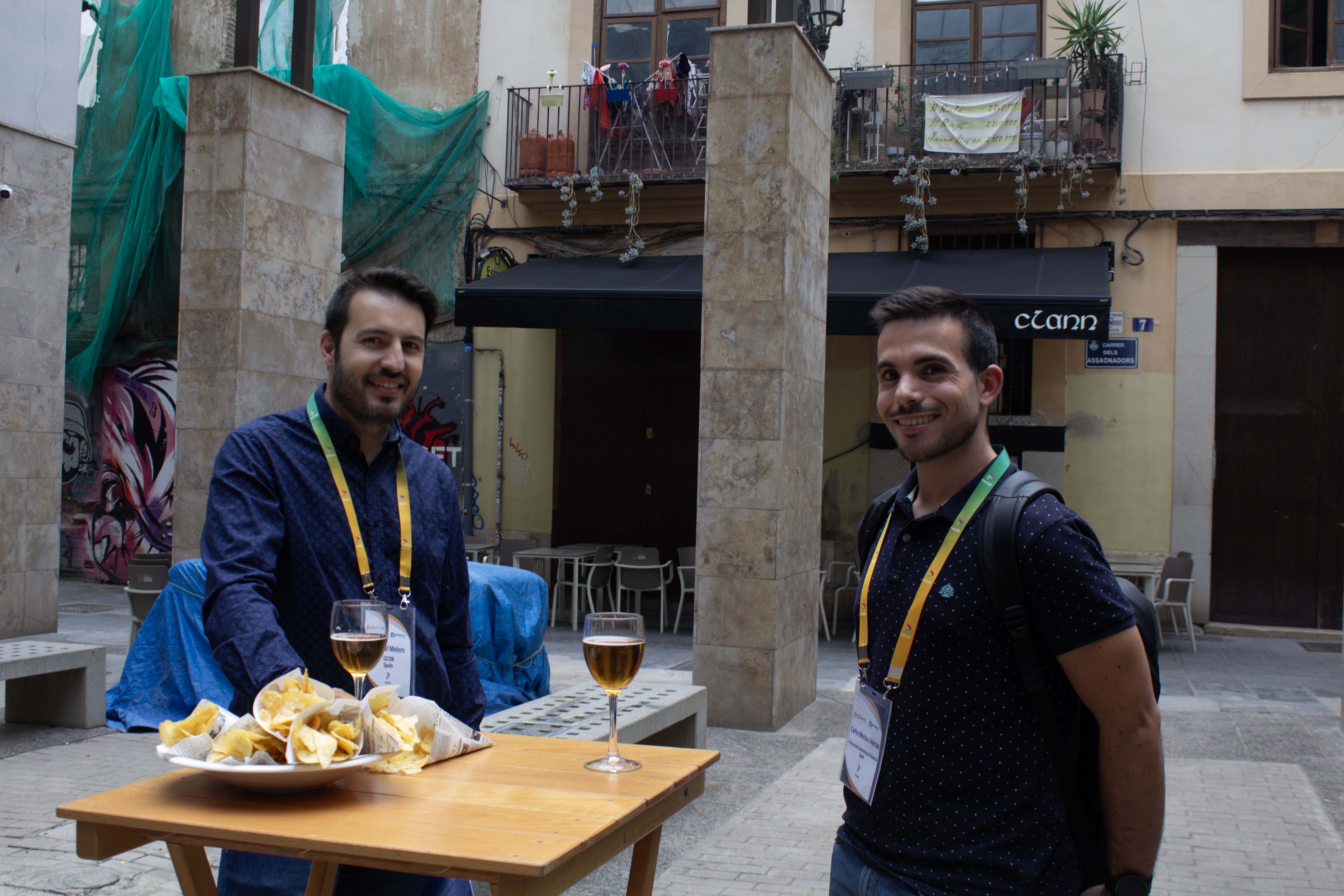
Heraklion is a fantastic place to host our discussions. Between sessions on new catalytic pathways, reaction engineering, and sustainable scale-up, we hope you take time to step outside, take in the Aegean breeze, wander through the old Venetian harbor, and enjoy authentic Cretan food and hospitality.

We look forward to three days of great science, honest discussion, and catching up with colleagues old and new. See you in Heraklion!

Program Themes covered in CatScience 2027 in Greece

Explore the key scientific themes and emerging research areas covered at the conference.

01

Heterogeneous Catalysis & Surface Science

Focuses on the bedrock of traditional catalysis, enhanced by modern characterization techniques.

  • Advanced Operando Characterization: Real-time spectroscopy and microscopy tracking of catalysts in motion.
  • Single-Atom and Nanostructured Catalysts: Synthetic breakthroughs, metal-support interactions, and localized active sites.
  • Porous Materials: Innovation in zeolites, MOFs, and COFs for shape-selective transformations.
  • Environmental Catalysis: Automotive emission control, industrial waste gas abatement, and air purification.
  • Asymmetric and Coordination Catalysis: Chiral ligand design, transition metal complexes, and pharmaceutical synthesis.
  • C-H Functionalization & Cross-Coupling: Novel mechanisms for forming C-C and C-Heteroatom bonds.
  • Enzyme Engineering & Biocatalysis: Directed evolution, cascade biocatalysis, and biocatalytic flow chemistry.
  • Organocatalysis & Metal-Free Systems: Small-molecule activation, green catalysts, and sustainable synthetic routes.
  • Green Hydrogen & Water Splitting: Advanced catalysts for the hydrogen (HER) and oxygen (OER) evolution reactions.
  • Carbon and Nitrogen Circularity: Electrocatalytic CO utilization, artificial photosynthesis, and green ammonia synthesis.
  • Fuel Cells and Batteries: Oxygen reduction (ORR) breakthroughs and interface electrochemistry.
  • Biomass and Plastics Upscaling: Catalytic cracking, chemical recycling of polymers, and refining of bio-based feedstocks.
  • AI-Driven Catalyst Discovery: Machine learning models for predicting catalyst activity, selectivity, stability, and material properties.
  • DFT & Computational Modelling: Combining density functional theory (DFT), molecular simulations, and high-throughput screening for catalyst design.
  • Data-Driven Reaction Optimization: AI-assisted prediction of reaction pathways, mechanisms, operating conditions, and catalytic performance.
  • Digital & Autonomous Catalysis: Catalyst databases, automated experimentation, and self-driving laboratories for faster catalyst development.
  • Catalyst Deactivation & Coking: Understanding sintering, carbon deposition, active-site loss, and other mechanisms responsible for catalyst deactivation.
  • Catalyst Poisoning: Effects of sulfur, nitrogen, metals, and other contaminants on catalyst activity and strategies for developing poison-resistant catalysts.
  • Regeneration & Catalyst Recovery: Advanced thermal, oxidative, and chemical regeneration approaches to restore catalyst activity and extend catalyst lifetime.
  • Long-Term & Industrial Stability: Designing robust catalysts for continuous operation, harsh reaction environments, repeated regeneration, and large-scale industrial applications.

Advancing Catalysis Science and Chemical Engineering

In the rapidly evolving fields of chemical engineering and materials science, many of today’s technological challenges are closely linked to the performance, design, and optimization of catalytic systems. From energy conversion and chemical synthesis to environmental protection and industrial processing, catalysis continues to serve as a cornerstone of modern science and engineering.

CatScience Europe 2027 is structured to address these challenges by providing a focused academic platform where theoretical insights, experimental research, and industrial perspectives converge. The conference emphasizes the role of catalysis in enabling sustainable processes, improving technological efficiency, and supporting innovation across chemical and process technologies.


Scope and Objectives of CatScience Europe 2027

The primary objective of CatScience Europe 2027 is to promote interdisciplinary collaboration among researchers working in chemistry, chemical engineering, materials science, and related scientific disciplines. By facilitating dialogue between fundamental researchers, applied scientists, and industry experts, the conference aims to accelerate progress in catalytic materials, reaction mechanisms, reactor design, and process engineering.


CatScience Europe 2027 seeks to:
  • Encourage the exchange of original research findings and advanced methodologies
  • Highlight emerging scientific and technological trends in catalysis and chemical engineering
  • Support collaborative initiatives between academia and industry
  • Strengthen international research networks with a strong focus on European scientific cooperation and innovation

Advancing Catalysis Science and Chemical Engineering

In the rapidly evolving fields of chemical engineering and materials science, many of today’s technological challenges are closely linked to the performance, design, and optimization of catalytic systems. From energy conversion and chemical synthesis to environmental protection and industrial processing, catalysis continues to serve as a cornerstone of modern science and engineering.

CatScience Europe 2027 is structured to address these challenges by providing a focused academic platform where theoretical insights, experimental research, and industrial perspectives converge. The conference emphasizes the role of catalysis in enabling sustainable processes, improving technological efficiency, and supporting innovation across chemical and process technologies.

Scope and Objectives of CatScience Europe 2027

The primary objective of CatScience Europe 2027 is to promote interdisciplinary collaboration among researchers working in chemistry, chemical engineering, materials science, and related scientific disciplines. By facilitating dialogue between fundamental researchers, applied scientists, and industry experts, the conference aims to accelerate progress in catalytic materials, reaction mechanisms, reactor design, and process engineering.

CatScience Europe 2027 seeks to:

  • Encourage the exchange of original research findings and advanced methodologies
  • Highlight emerging scientific and technological trends in catalysis and chemical engineering
  • Support collaborative initiatives between academia and industry
  • Strengthen international research networks with a strong focus on European scientific cooperation and innovation

Scientific Sessions – CatScience Europe 2027

Explore the key research themes shaping the future of catalysis and sustainable energy.

1. Catalysis for the Energy Transition

Catalysts for green hydrogen production, water electrolysis, fuel cells, and Power-to-X technologies.

2. Advanced Electrocatalysis and Photocatalysis

Novel materials and mechanisms for redox reactions, solar-to-chemical conversion, and environmental applications.

3. Catalytic CO₂ Conversion and Utilization

Catalytic pathways for transforming CO₂ into fuels, chemicals, and value-added products.

4. Single-Atom Catalysis and Nanostructured Catalysts

Design principles, operando characterization, and structure–activity–stability relationships.

5. Sustainable Catalysis and Green Chemistry

Development of environmentally benign catalytic processes using renewable feedstocks and low-impact materials.
Target Audience

  • Catalysis & Chemical Engineers
  • Catalysis Associations
  • Chemical Engineering Associations and Societies
  • Business Entrepreneurs
  • Training Institutes
  • Chemical Societies
  • Students and Delegates
  • Researchers
  • Governmental & Non-governmental organizations

Catalysis Conference Agenda

  • Development & demonstration of new catalysis and reactor engineering concepts
  • Promote fundamental universal values
  • Question the current economic and consumption models
  • Critically examine the cultural practices
  • Embed sustainable development considerations in research and in the curriculum
  • Adopt considerations of sustainability in leadership practices
  • Underline social responsibility locally and globally
  • Emphasis on process intensification and feedstock efficiency
  • Computational, experimental and modelling approaches
  • To extend gained knowledge and assess new opportunities for improving existing plants

Why Attend CatScience Europe 2027

  • Stay informed on recent research developments and emerging trends in catalysis science and chemical engineering
  • Gain insights into heterogeneous and homogeneous catalysis, reaction engineering, and process optimization
  • Learn from experienced researchers, invited speakers, and industry specialists
  • Engage in focused technical discussions bridging fundamental research and applied technologies
  • Strengthen academic and professional networks within the global catalysis community
  • Access peer-reviewed research, technical case studies, and scholarly contributions
  • Explore interdisciplinary approaches shaping future directions in catalysis and chemical engineering

Who Will Attend CatScience Europe 2027

  • Academic faculty members and researchers in catalysis and chemical engineering
  • Scientists from research institutes and national laboratories
  • Industry professionals involved in catalyst development and chemical processes
  • R&D engineers from chemical, energy, and materials-related sectors
  • Postdoctoral researchers, doctoral candidates, and early-career scientists
  • Technology developers and solution providers supporting catalysis research
  • Representatives from scientific organizations and innovation centers

Why Attend CatScience Europe 2027

  • Stay informed on recent research developments and emerging trends in catalysis science and chemical engineering
  • Gain insights into heterogeneous and homogeneous catalysis, reaction engineering, and process optimization
  • Learn from experienced researchers, invited speakers, and industry specialists
  • Engage in focused technical discussions bridging fundamental research and applied technologies
  • Strengthen academic and professional networks within the global catalysis community
  • Access peer-reviewed research, technical case studies, and scholarly contributions
  • Explore interdisciplinary approaches shaping future directions in catalysis and chemical engineering

Who Will Attend CatScience Europe 2027

  • Academic faculty members and researchers in catalysis and chemical engineering
  • Scientists from research institutes and national laboratories
  • Industry professionals involved in catalyst development and chemical processes
  • R&D engineers from chemical, energy, and materials-related sectors
  • Postdoctoral researchers, doctoral candidates, and early-career scientists
  • Technology developers and solution providers supporting catalysis research
  • Representatives from scientific organizations and innovation centers

Previous Pleanary Speakers

Qiang Zhang

Qiang Zhang

Professor,
Tsinghua University
China

| |
Douglas MacFarlane

Younan Xia

Professor,
Johns Hopkins University
USA

| |
Kazunari Domen

Kazunari Domen

Professor,
The University of Tokyo
Distinguished Honorary Professor(Shinshu University)
Japan

Fabrizio Cavani

Fabrizio Cavani

Full Professor,
Università di Bologna
Italy

Luigi Vaccaro

Luigi Vaccaro

Professor,
Università degli Studi di Perugia
Italy

Mario Pagliaro
Italy

Mario Pagliaro

MAE, FRSC, HRS
Research Director and Professor
Istituto per lo Studio dei Materiali Nanostrutturati, CNR,Palermo
Italy

Stefano Bellucci
Italy

Stefano Bellucci

Professor
INFN-LNF – Laboratori Nazionali di Frascati
Italy

Giancarlo Cravotto
Italy

Giancarlo Cravotto

Full Professor
University of Turin
Italy


Francesco Di Renzo
France

Francesco Di Renzo

Emeritus Research Director
Centre National de la Recherche Scientifique (CNRS)
France


Martino Di Serio
Italy

Martino Di Serio

Full Professor
University of Naples Federico II
Italy

Raffaella Mancuso
Italy

Raffaella Mancuso

Full Professor
University of Calabria
Italy

Dr. Jacek.nycz
Italy

Bartolo Gabriele

Full Professor
University of Calabria
Italy

Sudarsanam Putla
India

Sudarsanam Putla

Assistant Professor
IIT Hyderabad
India


Conchi Ania
France

Conchi Ania

Research Director
CNRS
France


Luca Vattuone
Italy

Luca Vattuone

Associate Professor
University of Genoa
Italy

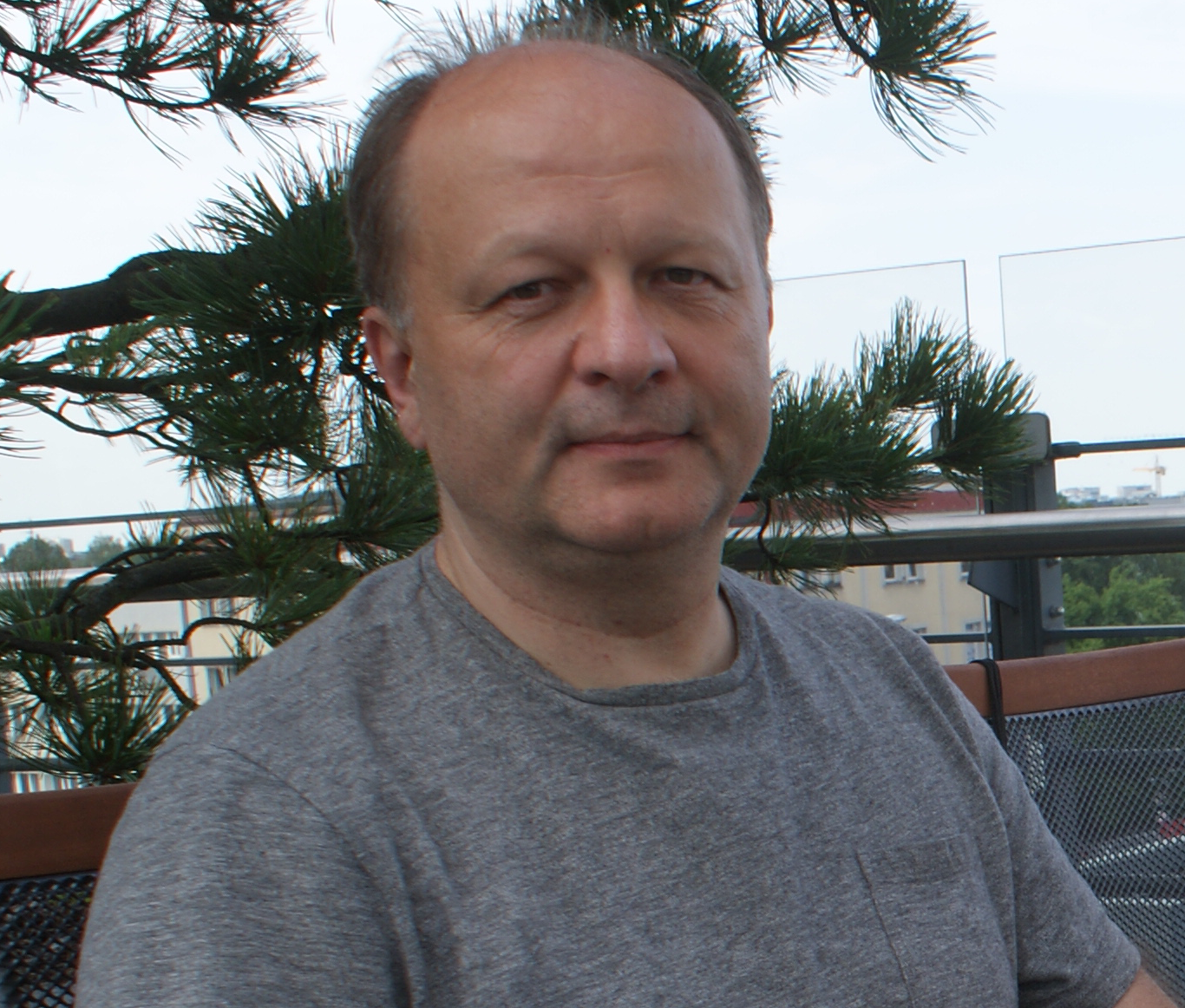
Izabela Czekaj
Poland

Izabela Czekaj

Professor
Cracow University of Technology, Warszawska
Poland

Rui Shang
Italy

Giovanni Di Liberto

Assistant Professor
University of Milan Bicocca
Italy

Saud Alshammari
United Kingdom

Saud Alshammari

Researcher
University of Leeds
United Kingdom


Tetiana Kulik
India

Tetiana Kulik

Professor
Chuiko Institute of Surface Chemistry, Kyiv, Ukraine
Cardiff Catalysis Institute
UK


Borys Palianytsia
India

Borys Palianytsia

Researcher
Chuiko Institute of Surface Chemistry of National Academy of Sciences of Ukraine
Ukraine


Aravindhan Ramachandran
Italy

Aravindhan Ramachandran

Postdoctoral Researcher
University of Milano Bicocca
Milan
Italy


Lingling Wang
Germany

Lingling Wang

Humboldt Research Fellow
Fischer research group
Technical University of Munich (TUM)
Germany


Hsin‑Yi Tiffany Chen
Taiwan

Hsin‑Yi Tiffany Chen

Professor
National Tsing Hua University
Taiwan


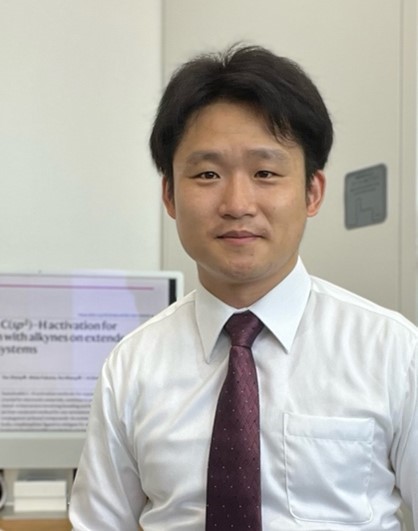
Kei Noda
Japan

Kei Noda

Professor
Keio University
Japan


Xianyun Zhang
Sweden

Xianyun Zhang

Postdoctoral Researcher
Uppsala University
Sweden


Sara Fulignati
Italy

Sara Fulignati

Junior Researcher
University of Pisa
Italy


Elisa I. García-López
Italy

Elisa I. García-López

Associate Professor
Università di Palermo
Italy


Bibiana Türkcan
Netherlands

Bibiana Türkcan

PhD candidate
Leiden University
Netherlands


Makhosonke Ngcobo
South Africa

Makhosonke Ngcobo

Senior Researcher
University of South Africa (UNISA)
South Africa


Francesco Taddeo
Italy

Francesco Taddeo

Assistant Professor
University of Naples Federico II
Italy


Salvatore Romano
Netherland

Salvatore Romano

Marie Skłodowska-Curie postdoctoral fellow
University of Amsterdam
Netherland


Luís Adriano Nascimento
Brazil

Luís Adriano Nascimento

Associate Professor
Federal University of Pará (UFPA)
Brazil


Jörg Meyer
Netherland

Jörg Meyer

Associate Professor
Universiteit Leiden
Netherland


Dr. Tom van den Bergh
Netherland

Van den Bergh

Head of 3DM at Bio-Prodict
Netherland


Filippo Ravasio
Germany

Filippo Ravasio

Second year PhD candidate,
Leibniz-Institut für Katalyse e.V. (LIKAT)
Germany

Mariia Erzina
Czech Republic

Mariia Erzina

Scientific researcher,
Faculty of Chemical Technology
UCT Prague
Czech Republic

Vincenzo Russo
Italy

Vincenzo Russo

Assistant Professor
University of Naples Federico II
Italy

William A. Vallejo Lozada
Puerto Colombia

William A. Vallejo Lozada

Professor
Universidad del Atlántico
Puerto Colombia

Giuseppe Marcì
Italy

Giuseppe Marcì

Professor
University of Palermo
Italy

Aušra Šimonėlienė
Lithuania

Aušra Šimonėlienė

Researcher and Academic Staff
Kauno kolegija Higher Education Institution
Lithuania

Lucia Veltri
Italy

Lucia Veltri

Associate Professor
University of Calabria
Italy

Alessandro Gottuso
China

Alessandro Gottuso

Postdoctoral Researcher
Shanghai Jiao Tong University
China

Federica Santulli
Italy

Federica Santulli

Postdoctoral Researcher
University of Salerno
Italy

Carlo Spampinato
Italy

Carlo Spampinato

Researcher
CNR-IMM
Italy

Nataly Carolina Rosero-Navarro
Spain

Nataly Carolina Rosero-Navarro

Tenured Scientist
Instituto de Cerámica y Vidrio CSIC
Spain

Piotr Trochimczyk
Poland

Piotr Trochimczyk

PhD student
Warsaw University of Technology
Poland

Vito Cristino
Italy

Vito Cristino

Tenure Track Researcher
University of Ferrara
Italy

Catia Cannilla
Italy

Catia Cannilla

Senior Researcher
CNR-ITAE
Italy

Quentin De Roover
Belgium

Quentin De Roover

Teaching Assistant & PhD Student
University of Liege (GxABT-ulg)
Belgium

Elena Spennati
Italy

Elena Spennati

Tenure Track Researcher
University of Genoa
Italy

Ana Paula Ribeiro
Portugal

Ana Paula Ribeiro

Auxiliary Researcher and Invited Auxiliary Professor
CQE-IST , University of Lisbon
Portugal

Pierraffaele Barretta
Italy

Pierraffaele Barretta

Postdoctoral Researcher
Università Magna Graecia di Catanzaro
Italy

Katia Martina
Italy

Katia Martina

Associate Professor
Università degli Studi di Torino
Italy

Lars Borchardt
Germany

Lars Borchardt

Professor
Ruhr University Bochum
Germany

Alessandro Cajumi
Italy

Alessandro Cajumi

Research Scientist
CNR-ITAE, University of Messina
Italy

Daniele Franchi
Italy

Daniele Franchi

Researcher
CNR-ICCOM
Italy

Matteo Francavilla
Italy

Matteo Francavilla

Associate Professor
STAR*Facility Centre , University of Foggia
Italy

Priyanka Ramaswamy
USA

Priyanka Ramaswamy

Staff Process Integration Engineer
Micron Technology
USA

Sibongile Pikoli
South Africa

Sibongile Pikoli

Researcher
University of South Africa
South Africa

Testimonial

Media Partners

freeconferencealerts

Frequently Asked Question’s

Everything you need to know about the CatScience Europe 2027

CatScience Europe 2027 stands out as the premier Catalysis conference of 2027 due to its comprehensive program covering key topics such as photocatalysis, electrocatalysis, environmental catalysis, and sustainable chemical engineering practices. Hosted at the esteemed Mediterranea University of Reggio Calabria, this conference offers unparalleled opportunities for networking and knowledge exchange among global experts.
As a top international chemical engineering congress, CatScience Europe 2027 brings together leading scientists, researchers, and industry professionals to discuss the latest innovations and challenges in catalysis and chemical engineering. The conference features plenary talks, keynote lectures, and interactive sessions that foster collaboration and inspire new research directions.
CatScience Europe 2027 will be held at the Università Mediterranea di Heraklion, Crete, Greece.
The Università Mediterranea di Reggio Calabria, located in the heart of southern Greece, is a dynamic institution known for its commitment to scientific excellence and innovation. Established in 1968, it has grown into a vibrant center for advanced research and interdisciplinary collaboration, particularly in engineering, materials science, and environmental technologies. Its scenic coastal setting and strong academic culture make it an inspiring venue for international scientific exchange.
CatScience Europe 2027 is proud to host its next edition at this distinguished university, continuing its tradition of fostering cutting-edge catalysis research in a setting that blends intellectual rigor with Mediterranean warmth.

Event Information

For more updates on CATALYSIS SCIENCE AND CHEMICAL ENGINEERING CONGFERENCE bookmark this page